Rethinking the Role of the TV Wall Unit
Oakmont Kitchens & Interiors, Johannesburg
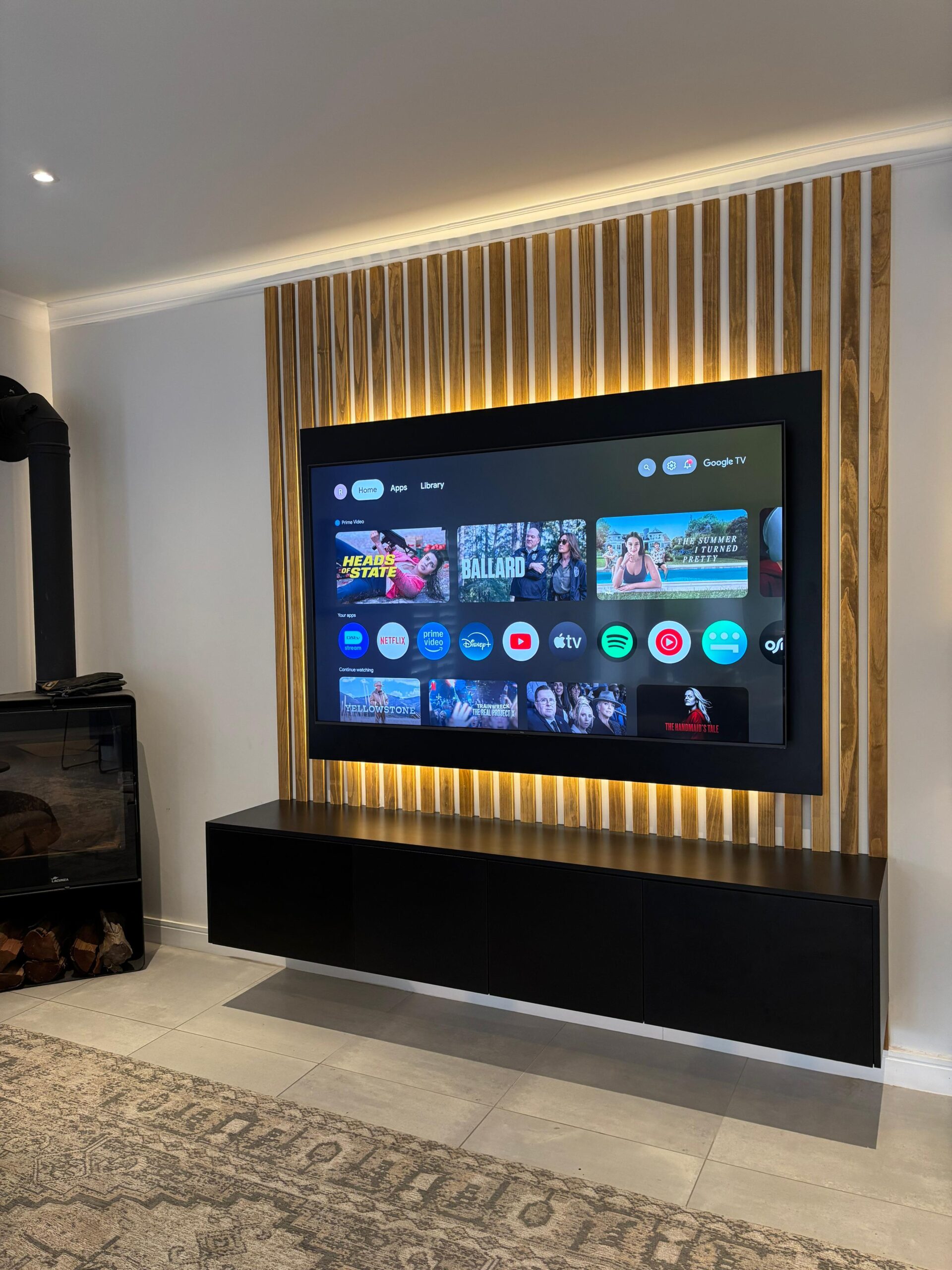
In many Johannesburg homes, the television wall has traditionally been treated as an afterthought — a piece of furniture added once the room is complete. Increasingly, however, TV wall units are being designed as part of the architecture itself.
When approached with intention, a TV wall unit does more than hold a screen. It frames the living space, manages visual noise, and provides storage that feels settled rather than imposed.
TV Wall Units in Johannesburg Homes
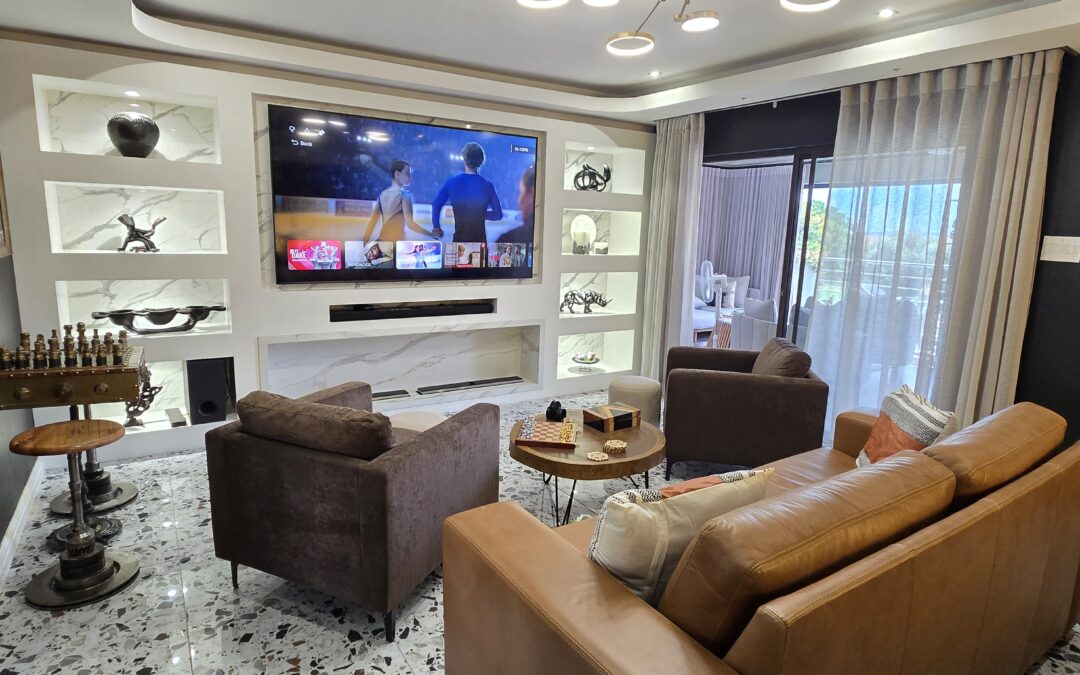
TV wall units in Johannesburg are evolving in response to more open-plan living environments. As living rooms, dining spaces, and kitchens begin to flow into one another, the television unit often becomes a visual anchor within the home.
Design-led TV units Johannesburg prioritise proportion, alignment, and material continuity, allowing technology to integrate quietly into the space rather than dominate it.
Built-In TV Wall Units vs Freestanding Furniture
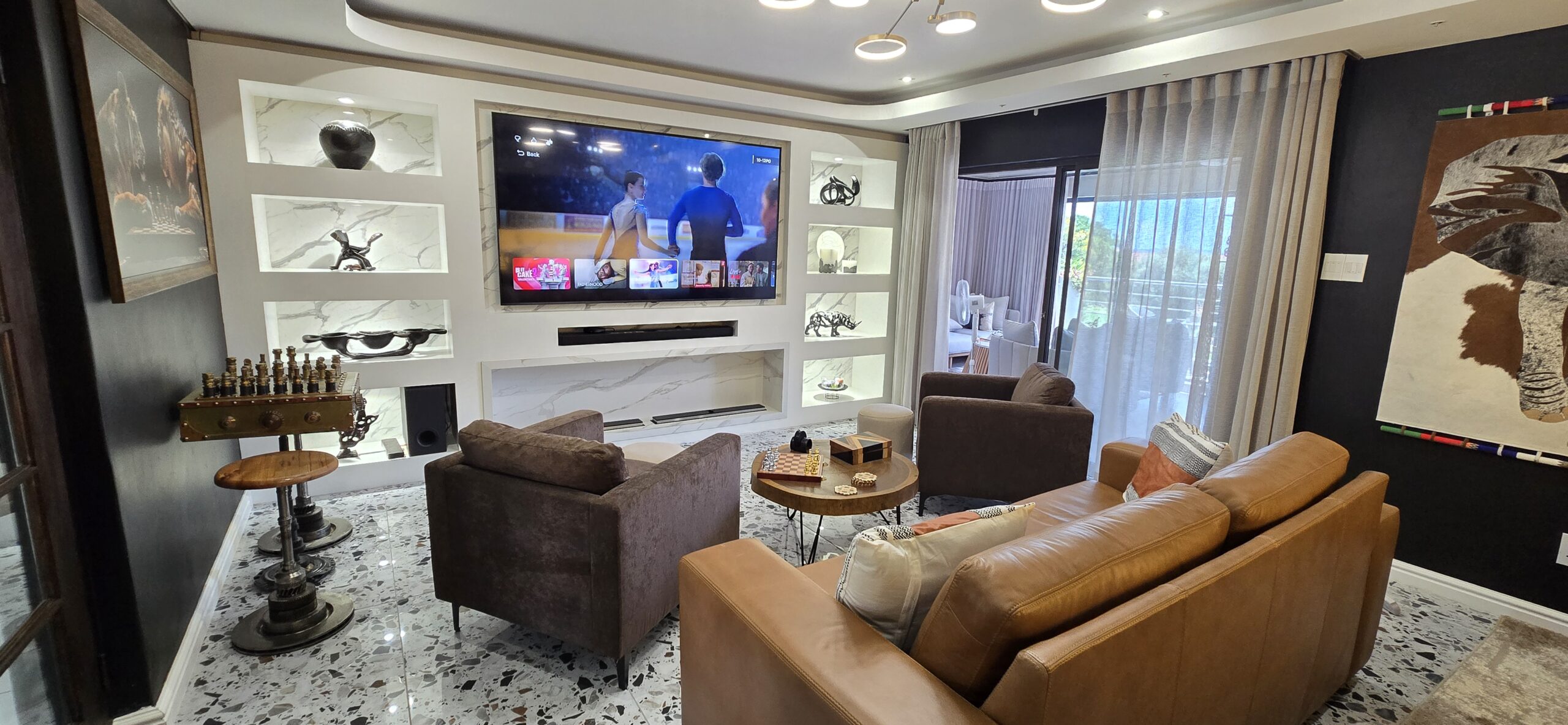
Freestanding TV furniture can be flexible, but it often introduces visual fragmentation — particularly in contemporary interiors where clean lines and continuity matter.
Built-in TV wall units
-
Align with ceiling heights and architectural lines
-
Allow storage to be concealed rather than displayed
-
Reduce clutter through integrated drawers and cupboards
-
Support a cohesive material language across the space
By contrast, built-in solutions allow the TV wall to feel intentional, measured, and connected to the architecture of the home.
Material and Finish Considerations
Material selection plays a significant role in how a TV wall unit is perceived. Highly contrasting finishes can draw unnecessary attention, while restrained palettes allow the unit to sit quietly within the room.
Design-led TV wall units often favour:
-
Soft matt finishes
-
Subtle wood-grain textures
-
Tonal colour palettes
-
Minimal hardware or handle-less detailing
This approach mirrors what is commonly seen in imported premium kitchens, where surface continuity and proportion are prioritised over ornamentation.
Storage That Supports Daily Living
Beyond housing a television, a well-designed TV wall unit provides storage that supports everyday life. Concealed drawers and cupboards allow items to be stored without interrupting the visual calm of the living space.
Common storage elements include:
-
Media equipment compartments
-
Closed storage for books and accessories
-
Integrated shelving for subtle display
-
Provision for ventilation and cable management
By resolving these practical needs early in the design process, the TV wall unit becomes part of the room’s structure rather than a compromise added later.
Integrating the TV Unit with Broader Joinery
In well-considered homes, the TV wall unit rarely exists in isolation. Its finishes and proportions often echo adjacent joinery — from kitchen cabinetry to storage elements in living and dining spaces.
This continuity allows the living area to feel resolved as a whole, reinforcing a consistent design language throughout the home.
Final Thought
A TV wall unit should not compete for attention. When designed with care, it frames the living space quietly — managing storage, technology, and proportion without visual disruption.
Thoughtful TV wall units in Johannesburg homes prioritise clarity and restraint, allowing the living area to function comfortably while maintaining a calm architectural presence.