
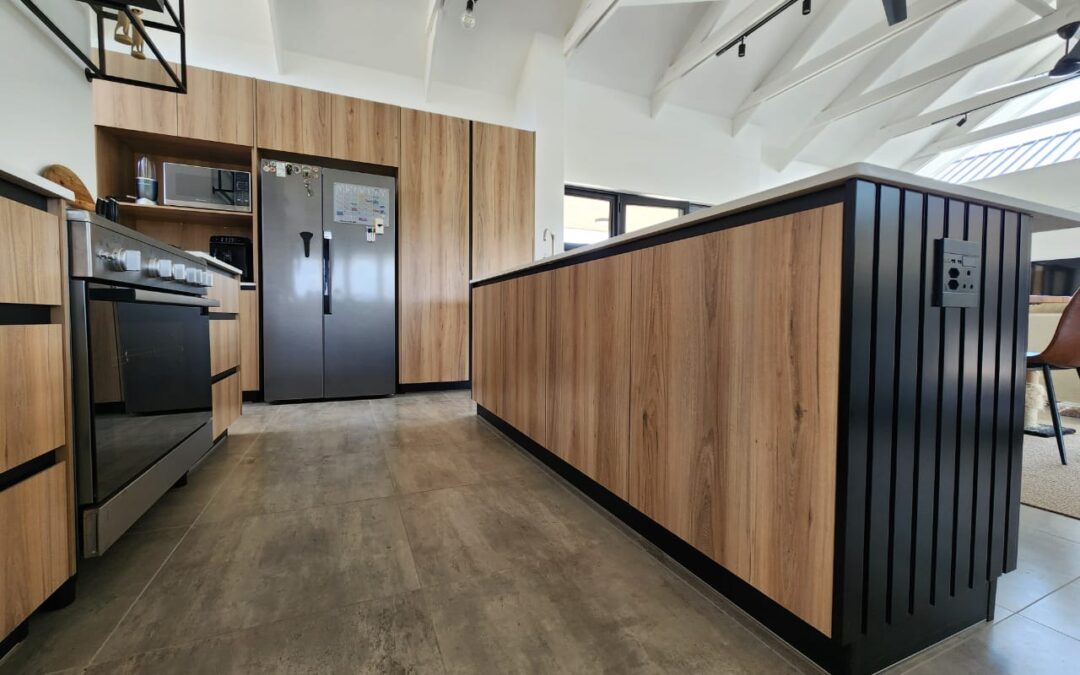
Why Kitchen Cabinet Configuration Matters More Than Style
Oakmont Kitchens & Interiors, Johannesburg
When planning a kitchen, finishes and colours often take centre stage. Yet in practice, it is the kitchen cabinet configuration that determines how well the space functions day to day.
In Johannesburg homes, kitchens must often accommodate a range of uses — cooking, entertaining, storage, and circulation — within a fixed footprint. Thoughtful cabinet planning ensures the kitchen works naturally, without relying on excess storage or visual complexity to compensate for poor layout decisions.
Understanding Kitchen Cabinet Configuration in Johannesburg Homes
A well-considered kitchen cabinet configuration in Johannesburg responds first to how the kitchen will be used, not how it will look in isolation. Cabinetry should support movement, workflow, and accessibility before surface treatments are introduced.
In design-led joinery, cabinet configuration is approached as part of the architecture — shaping the room quietly rather than competing with it.
For homeowners seeking clarity and longevity, this is where professionally designed kitchen cabinets Johannesburg make a measurable difference.
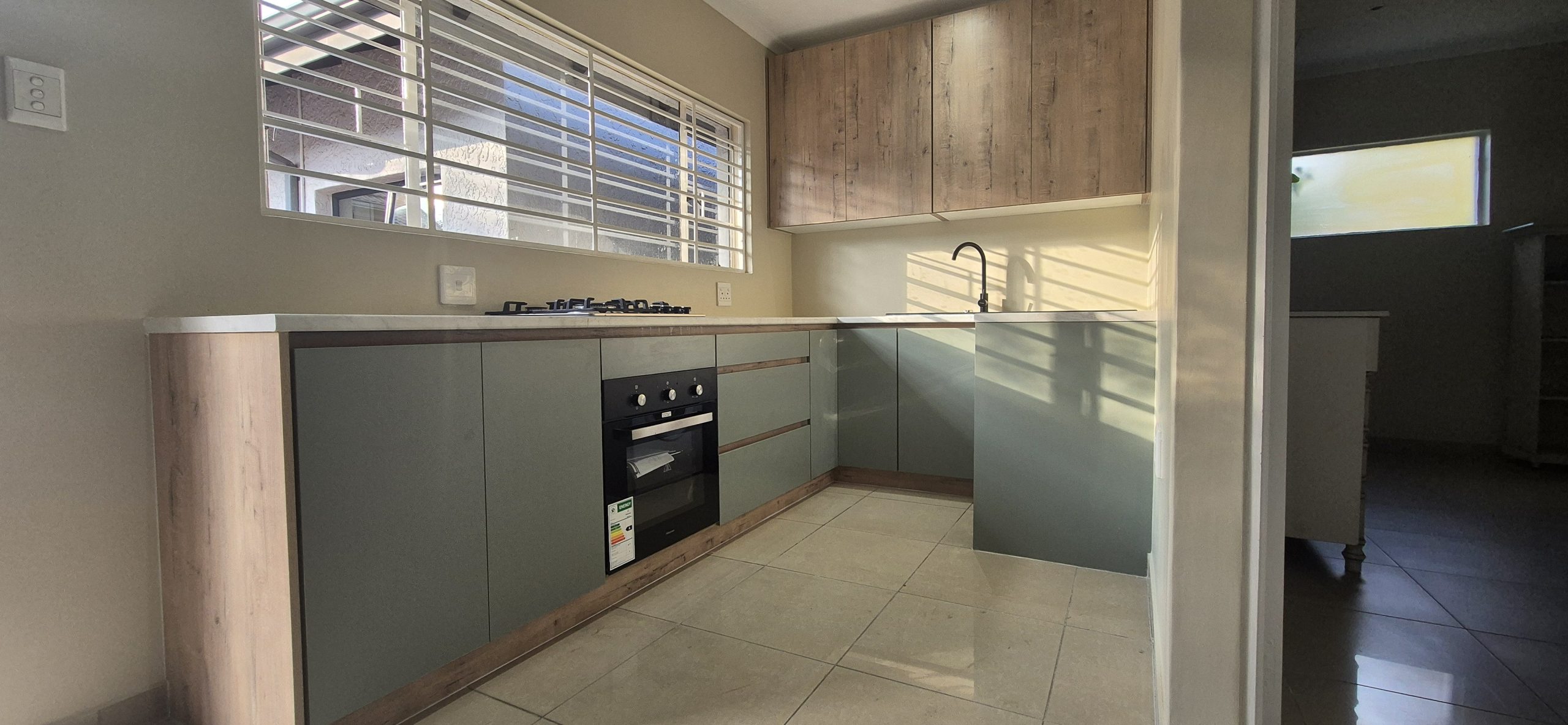
Base Cabinets: The Working Core of the Kitchen
Base cabinets carry the bulk of daily use. Their configuration determines how efficiently cooking and preparation zones operate.
Common base cabinet approaches
-
Drawer-heavy layouts for improved access
-
Reduced reliance on traditional cupboards
-
Integrated waste and recycling zones
-
Clear separation between prep and cooking areas
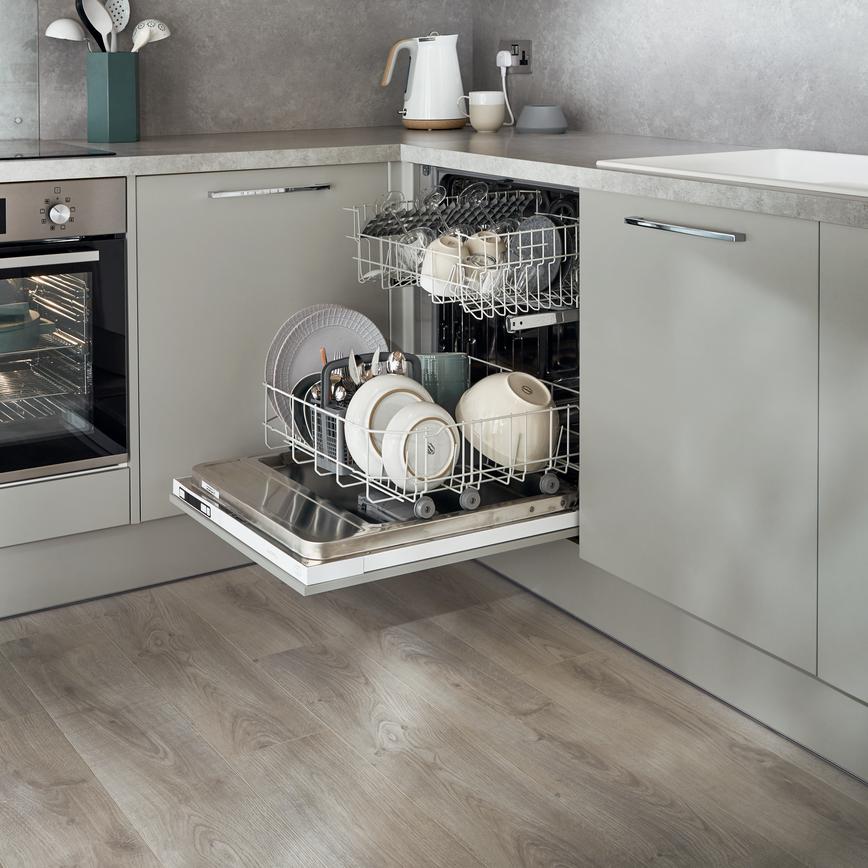
Modern drawer systems allow base cabinets to store more while remaining visually restrained — a principle widely supported by contemporary hardware design
Wall Cabinets and Vertical Storage
Wall cabinetry plays a different role. Rather than maximising volume, it should balance storage with openness.
In many Johannesburg kitchens, overly dense wall cabinets can make the space feel compressed. Design-led configurations often favour:
-
Reduced cabinet depth
-
Selective open shelving
-
Full-height cabinets used sparingly
-
Clear visual breaks to maintain proportion
This approach allows cabinetry to support the room without dominating it, aligning closely with broader principles of kitchen design Johannesburg.
Tall Units and Integrated Storage
Tall cabinets are most effective when they serve a defined purpose rather than acting as general storage.
Typical tall unit functions
-
Integrated fridge and freezer units
-
Pantry storage organised by category
-
Appliance housing for ovens and microwaves
When planned correctly, tall units anchor the kitchen visually while keeping working zones uncluttered. Poorly planned tall cabinetry, however, can quickly overwhelm a room.
Island vs Peninsula Configurations
Whether a kitchen includes an island or peninsula should be dictated by circulation, not preference.
-
Islands work best where clear walkways can be maintained on all sides
-
Peninsulas provide similar functionality in tighter layouts
Both configurations benefit from carefully planned cabinet storage beneath, avoiding the temptation to overfill the space with unnecessary cupboards.
How Cabinet Configuration Affects Everyday Living
The success of a kitchen is rarely measured in square metres. Instead, it is felt in how easily the space supports daily routines.
Well-considered cabinet configurations result in:
-
Shorter movement paths
-
Clear visual order
-
Reduced clutter on work surfaces
-
A calmer overall kitchen environment
These outcomes are central to design-led cabinetry and are often what distinguish considered kitchens from purely decorative ones.
Final Thought
Choosing the right kitchen cabinet configuration is not about maximising storage or following trends. It is about shaping a kitchen that works intuitively within the architecture of the home.
In Johannesburg, where kitchens must often balance openness with practicality, thoughtful cabinet configuration allows the space to feel settled, functional, and quietly resolved — long after finishes and styles have faded from view.