Oakmont Kitchens & Interiors, Johannesburg
Kitchen units form the foundation of how a kitchen functions and how it is experienced. In many Johannesburg homes, particularly in newer developments and renovated spaces, kitchen units are no longer treated as isolated components but as part of a broader architectural composition.
Rather than focusing solely on cupboards or finishes, modern kitchen design considers how units define layout, movement, and interaction within the space. This has led to a more considered approach to how kitchen units are configured, detailed, and integrated into the home.
The Role of Kitchen Units in Modern Kitchens
Kitchen units determine how a kitchen works on a daily basis. From base cabinets to wall units and integrated storage, each element contributes to both usability and visual structure.
In well-designed kitchens in Johannesburg, units are aligned with the overall spatial layout, ensuring that preparation, cooking, and storage areas work together intuitively.
Layout-Driven Kitchen Unit Design
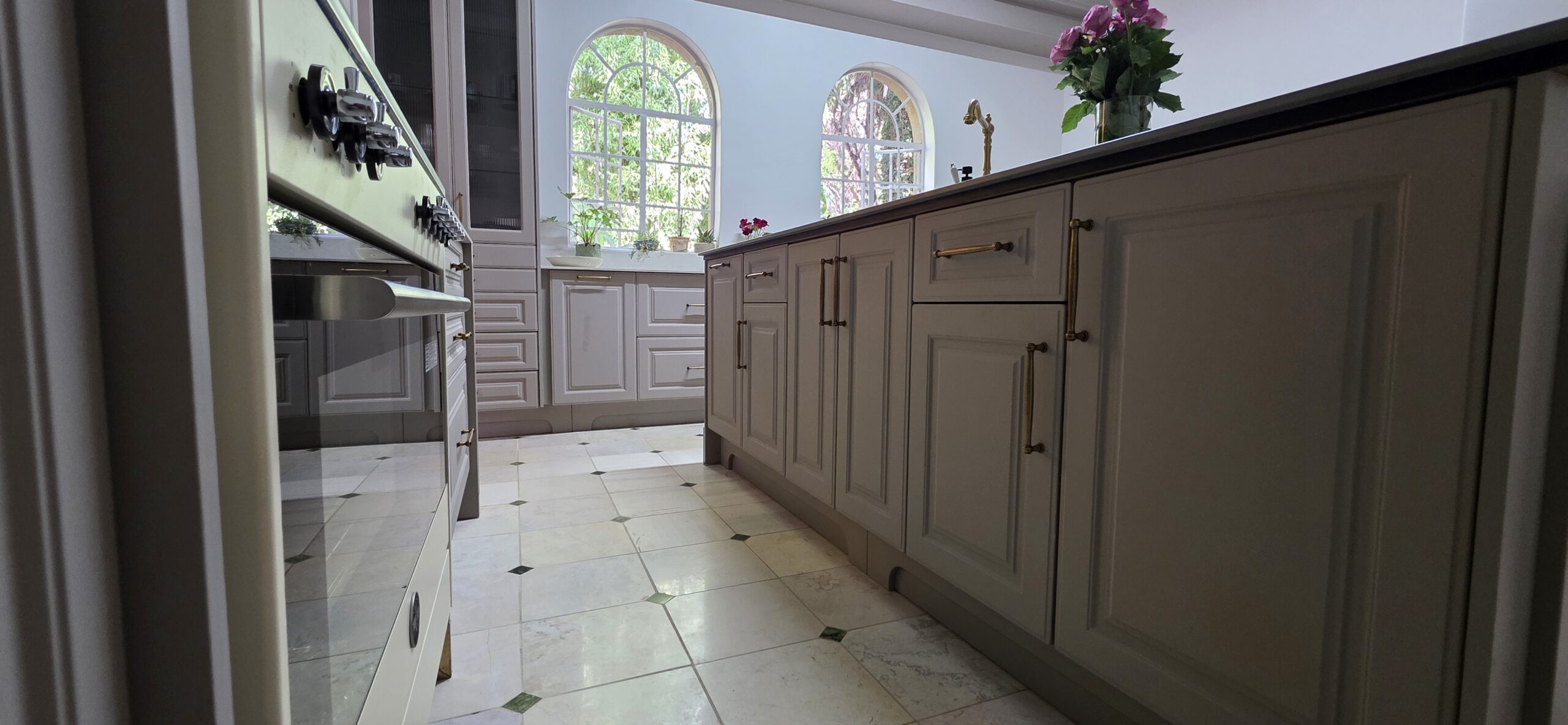
One of the most important considerations in kitchen unit design is layout. Different configurations create different experiences within the kitchen.
L-shaped kitchens offer efficient use of corner space, while U-shaped layouts maximise storage and surface area. In open-plan homes, island-based kitchen units create a central point of interaction, allowing the kitchen to function as both a workspace and a social hub.
These layouts are often developed alongside full kitchen units in Johannesburg installations, where design and functionality are resolved together.
Balancing Storage and Visual Simplicity
Modern kitchen unit design often aims to balance storage capacity with visual simplicity. While maximising storage remains important, overly complex cabinetry can make a kitchen feel heavy or cluttered.
This has led to an increased use of concealed storage, integrated appliances, and streamlined cabinet fronts. In many kitchen cupboards in Johannesburg, this balance is achieved by combining efficient internal systems with clean external finishes.
Material Selection and Consistency
Material selection plays a significant role in how kitchen units are perceived. Consistency across surfaces, finishes, and detailing helps create a cohesive environment.
Boards from manufacturers such as PG Bison are often used for their durability and range of finishes, allowing designers to maintain consistency across all cabinetry elements.
Combining materials such as matte finishes with natural wood textures can add depth without overwhelming the space.
Handleless and Integrated Design
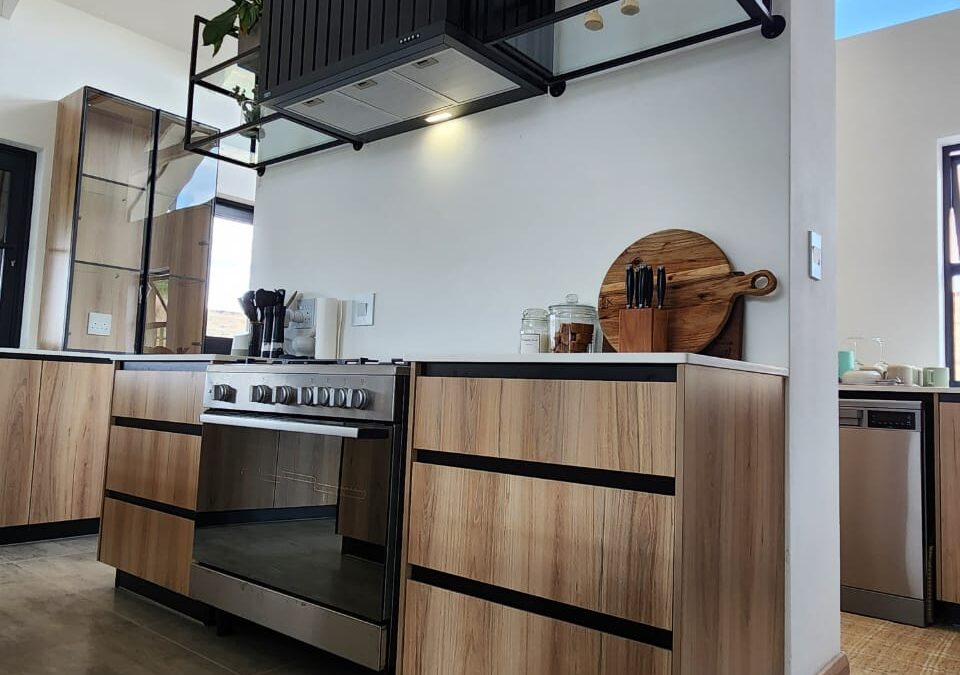
Handleless kitchen units have become increasingly popular in modern homes. By removing visible hardware, cabinetry appears more seamless and architectural.
This approach is often paired with push-to-open systems or integrated handle profiles, creating a clean and uninterrupted visual line across the kitchen.
In many luxury kitchens in Johannesburg, handleless designs are used to emphasise simplicity, proportion, and material quality.
Lighting Within Kitchen Units
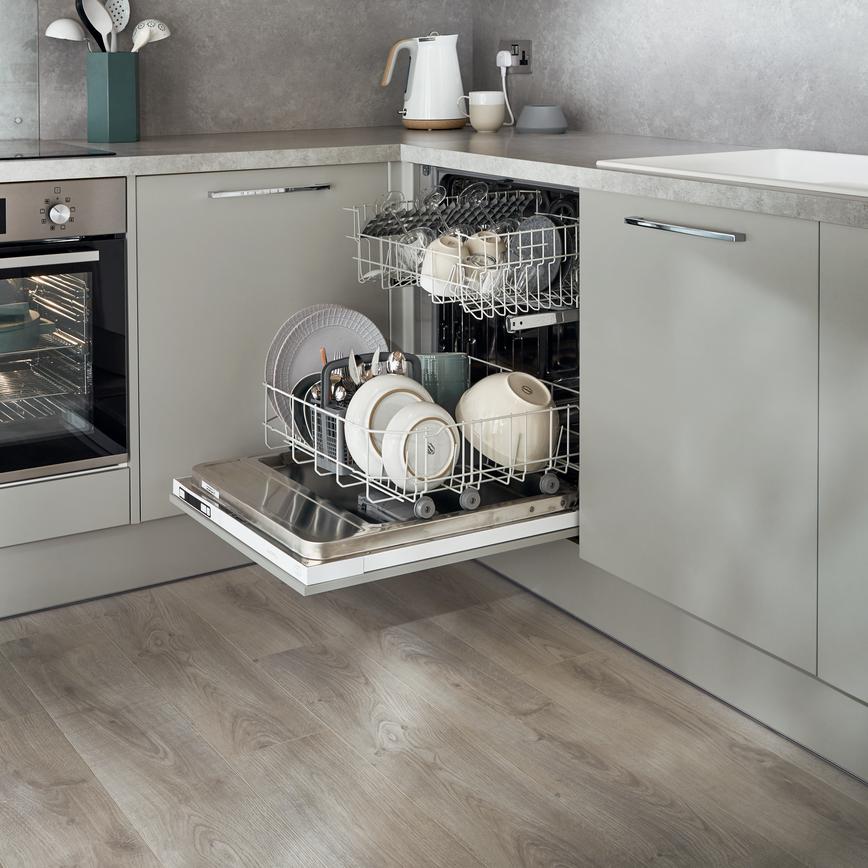
Lighting is increasingly integrated into kitchen units as both a functional and design feature. Under-cabinet lighting improves usability, while internal lighting can highlight materials and create atmosphere.
In contemporary kitchens, lighting is often used subtly, enhancing the overall experience of the space without drawing attention to itself.
Designing for Open-Plan Living
As open-plan living continues to define modern homes, kitchen units must integrate seamlessly with adjacent spaces.
This often involves extending cabinetry beyond the kitchen itself, incorporating storage into living areas, or aligning finishes across multiple zones. The result is a more unified and considered interior environment.
Designing for Open-Plan Living
As open-plan living continues to define modern homes, kitchen units must integrate seamlessly with adjacent spaces.
This often involves extending cabinetry beyond the kitchen itself, incorporating storage into living areas, or aligning finishes across multiple zones. The result is a more unified and considered interior environment.
Final Thoughts
Kitchen unit design in Johannesburg is increasingly shaped by a broader understanding of how spaces function and connect. Rather than focusing on individual elements, modern kitchens are designed as cohesive environments where layout, materials, and detailing work together.
As this approach continues to evolve, kitchen units will remain central to both the functionality and architectural identity of the home.