

Oakmont Kitchens & Interiors, Johannesburg
Kitchen cupboards have evolved beyond their traditional role as storage elements. In many Johannesburg homes, they now define the visual structure of the kitchen — shaping how the space feels, how it flows, and how it connects to the rest of the home.
As architecture continues to shift toward open-plan living, cabinetry is increasingly treated as part of the interior framework rather than a standalone installation. This has led to a more considered approach to materials, layout, and detailing — particularly in contemporary homes across Sandton, Bryanston, and surrounding areas.
The Shift Toward Integrated Kitchen Design
Modern kitchen cupboards are no longer designed in isolation. Instead, they are integrated into a broader spatial concept where finishes, proportions, and alignment all contribute to a cohesive environment.
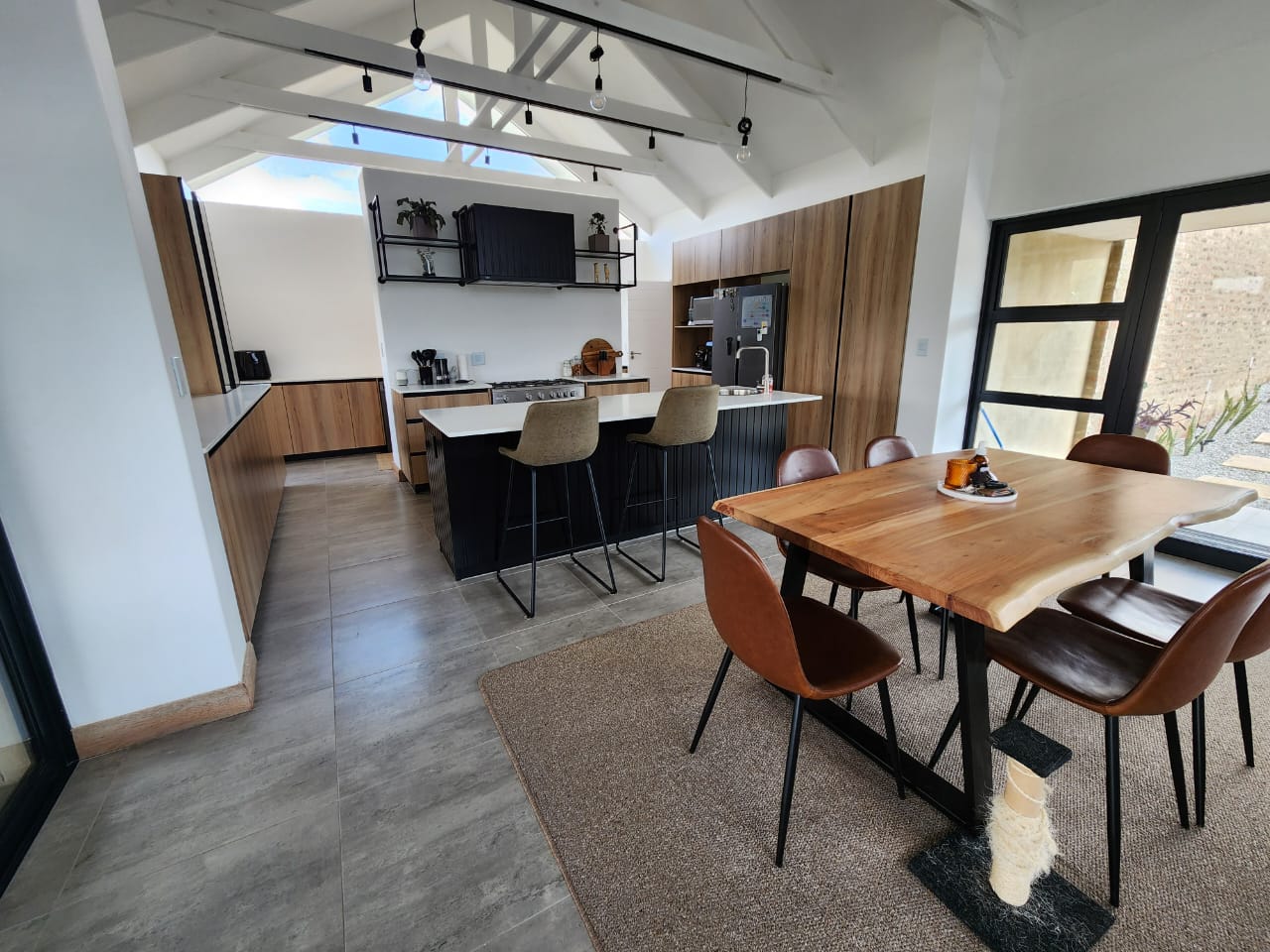
In many kitchens in Johannesburg, cabinetry extends into adjacent living areas, forming part of a continuous visual language. This might include built-in shelving, media units, or concealed storage that blends into the architecture of the home.
Minimalist Cabinetry and Clean Lines
A defining feature of modern kitchen cupboard design is the move toward minimalism. Flat-panel cupboard fronts, handleless profiles, and uninterrupted surfaces create a sense of calm and clarity within the space.
This approach is particularly effective in homes where natural light plays a role, allowing materials and subtle textures to become the focal point rather than excessive detailing.
In many kitchen cupboards in Johannesburg, this minimalist approach is paired with careful material selection to ensure that simplicity does not compromise warmth or depth.
Material Contrast and Texture
Modern kitchen design often relies on contrast rather than uniformity. Combining different materials — such as matte finishes with natural woodgrain — creates visual interest while maintaining a refined palette.
Timber textures are frequently used to introduce warmth, while darker tones such as charcoal or black provide contrast and grounding within the space.
Material boards from manufacturers such as PG Bison are often selected for their consistency and range of finishes, allowing designers to achieve a cohesive look across cabinetry.
Two-Tone Kitchen Cupboards
Two-tone cabinetry has become a defining feature in many Johannesburg homes. By contrasting upper and lower cupboards, designers are able to create balance within the space while preventing the kitchen from feeling overly heavy or uniform.
A common approach is to use lighter tones for upper cupboards to maintain openness, while darker tones are used below to anchor the design. This strategy is often seen in more refined luxury kitchens in Johannesburg, where contrast is used to enhance the architectural composition of the space.
Storage That Supports Daily Living
Beyond aesthetics, modern kitchen cupboards are designed to support everyday use. Storage solutions are becoming increasingly sophisticated, with a focus on accessibility, organisation, and efficiency.
Deep drawer systems, pull-out pantry units, and integrated storage compartments allow for better use of available space. These systems are often aligned with broader built-in cupboards in Johannesburg, particularly in homes where storage extends beyond the kitchen into adjacent areas.
Lighting as a Design Feature
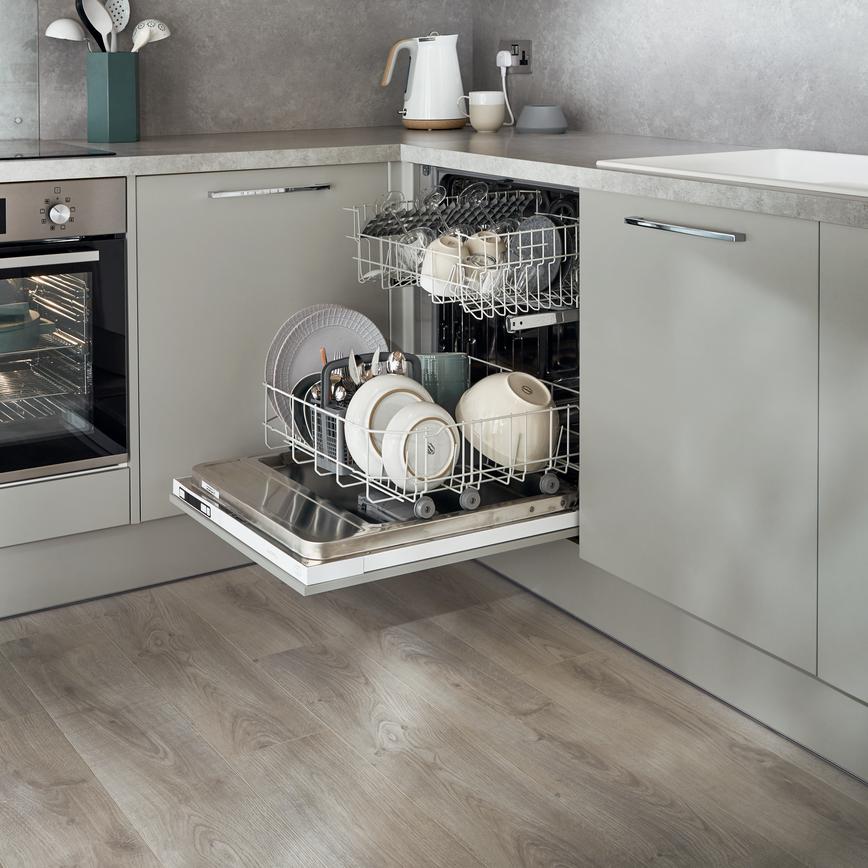
Lighting plays an important role in modern kitchen cupboard design. Integrated LED lighting is often used to highlight materials, improve functionality, and create atmosphere within the space.
Under-cabinet lighting enhances visibility for preparation areas, while internal cupboard lighting can be used to elevate the overall experience of the kitchen.
In many contemporary interiors, lighting is treated as part of the cabinetry itself — subtly reinforcing the architectural intent of the design.
Hardware and Performance
While visual design is important, the long-term performance of kitchen cupboards depends heavily on the quality of internal hardware.
Soft-close mechanisms, precision drawer runners, and durable hinge systems ensure that cupboards function smoothly over time. Hardware from manufacturers such as Blumis commonly specified for its reliability and engineering quality.
Designing for Open-Plan Living
Open-plan living has influenced how kitchen cupboards are designed. Rather than acting as a separate zone, the kitchen is now part of a larger living environment.
This means cabinetry must be visually refined from all angles, often incorporating concealed storage, integrated appliances, and finishes that align with surrounding spaces.
As a result, modern kitchen cupboards are designed not only for functionality, but also for how they contribute to the overall atmosphere of the home.
Final Thoughts
Modern kitchen cupboard design in Johannesburg reflects a broader shift toward considered, integrated living environments. Rather than focusing solely on storage, cabinetry now plays a central role in defining how a space is experienced.
From material selection and layout to lighting and detailing, each decision contributes to a kitchen that feels cohesive, functional, and aligned with the architecture of the home.
As this approach continues to evolve, kitchen cupboards are no longer seen as individual elements — but as part of a larger design language that shapes the way we live within our spaces.