
Oakmont Kitchens & Interiors, Johannesburg
In contemporary homes, built-in cupboards have evolved from simple storage solutions into integral elements of interior design. Rather than being treated as standalone units, they are now designed as part of the architecture of the space, contributing to both functionality and visual composition.
Modern built-in cupboards are defined by clean lines, material selection and thoughtful integration within the room. These installations are tailored to the proportions of the space, ensuring that storage is both practical and visually unobtrusive.
Design publications such as Dezeen frequently highlight how minimal cabinetry and integrated joinery contribute to refined and contemporary interiors.
In many homes, built-in cupboards are developed alongside other cabinetry installations so that finishes and detailing remain consistent throughout the interior.
For example, in projects featuring luxury kitchens in Johannesburg, similar materials and design approaches are often carried through into bedroom and living spaces, creating a cohesive interior language.
Minimal and Handleless Cupboard Designs
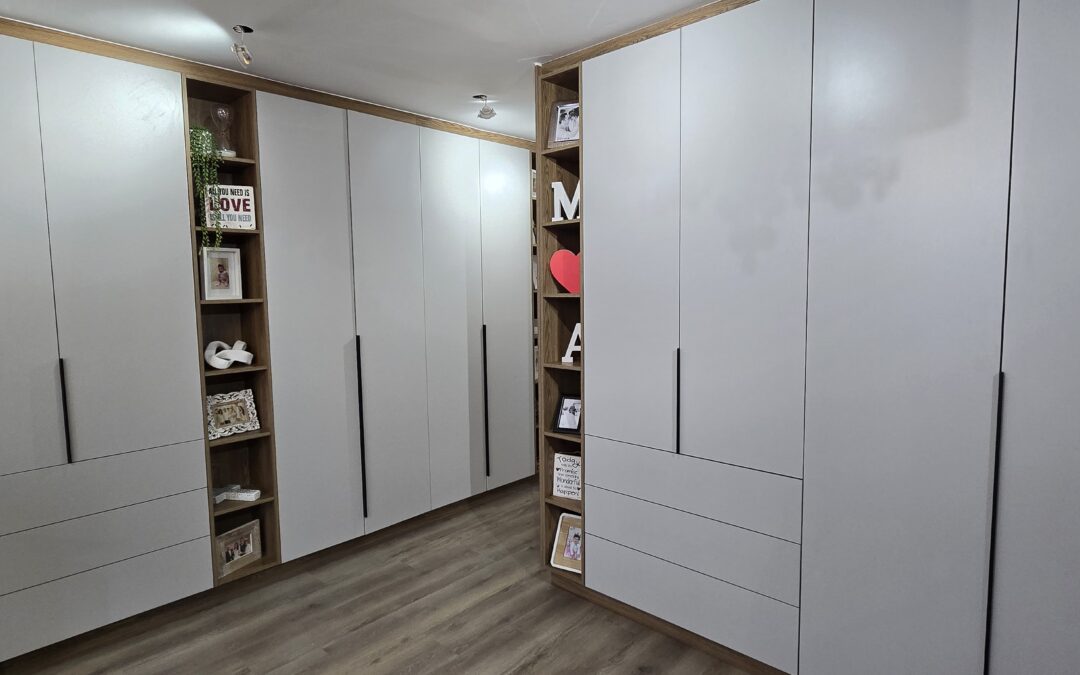
One of the defining characteristics of modern built-in cupboards is the use of minimal, handleless designs.
By removing visible hardware, the focus shifts toward the form and proportion of the cabinetry itself. This creates a cleaner and more refined appearance, particularly in contemporary interiors where simplicity is key.
Push-to-open systems and integrated finger pulls allow cupboards to remain functional while maintaining a seamless aesthetic.
Floor-to-Ceiling Built-in Cupboards
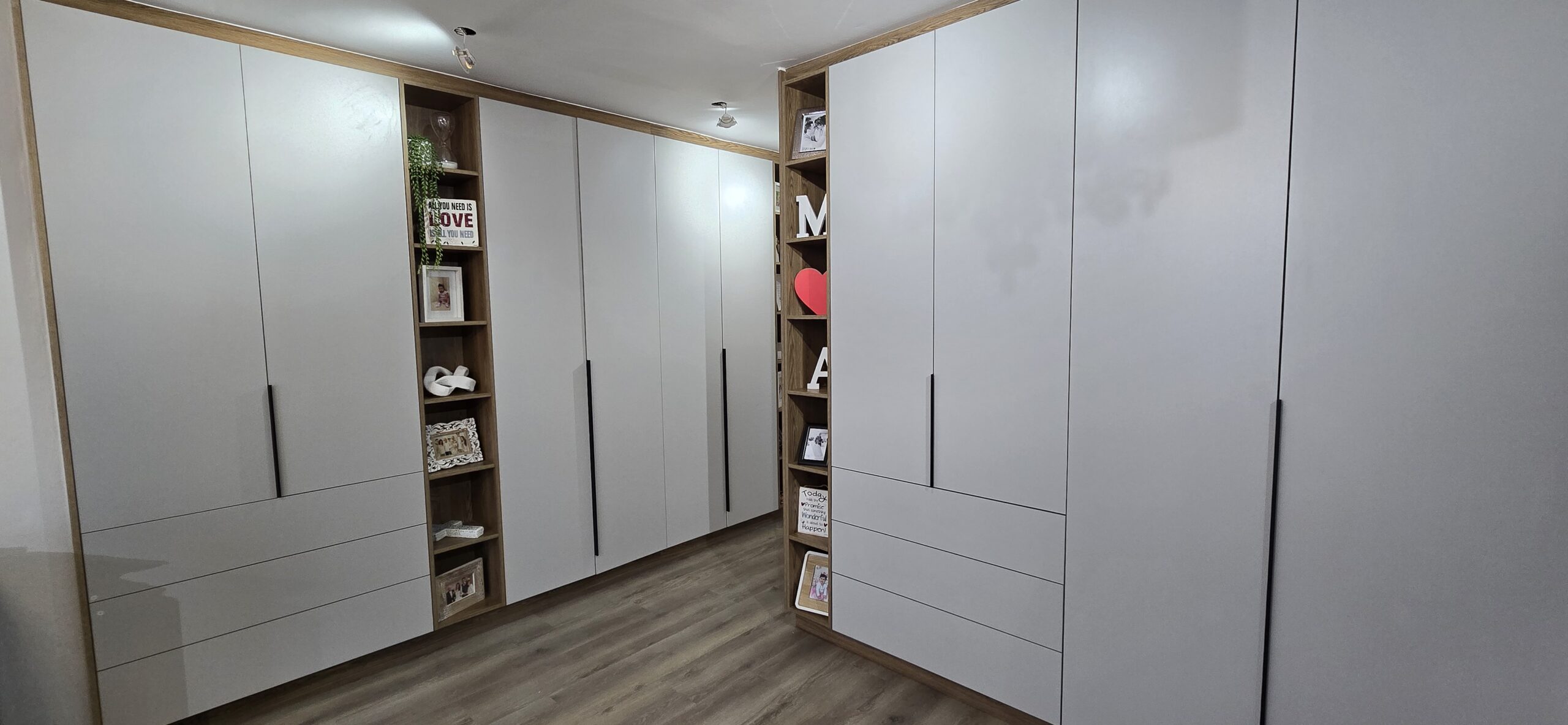
Floor-to-ceiling cupboard designs maximise storage while enhancing the visual impact of the space.
These installations create a strong vertical presence, allowing cupboards to feel integrated into the architecture rather than added onto the room.
This approach is particularly effective in bedrooms, where full-height cabinetry can provide ample storage without compromising the overall design.
Material-Led Cupboard Design
Material selection plays a central role in defining the character of built-in cupboards.
Timber grain finishes introduce warmth, while matte surfaces create a more restrained and contemporary feel. Combining different materials can add depth and contrast without overwhelming the space.
Many designers reference decorative boards supplied by companies such as PG Bison when selecting finishes for cabinetry installations.
Integrated Storage Solutions
Modern built-in cupboards are designed with a focus on internal organisation as much as external appearance.
Shelving, hanging space and drawer systems are carefully planned to maximise usability while maintaining a clean exterior.
This level of integration ensures that storage remains efficient without disrupting the visual simplicity of the space.
These same principles are often applied in bathroom vanities in Johannesburg, where storage is designed to remain functional while visually unobtrusive.
Internal link > Bathroom Vanities Johannesburg
Built-in Cupboards in Contemporary Homes
In modern interiors, built-in cupboards are often used to create continuity between different areas of the home.
Cabinetry finishes and detailing are carried through from bedrooms into living spaces and even kitchens, allowing the interior to feel cohesive and intentional.
This is particularly evident in kitchen cupboards in Johannesburg, where similar design principles are applied to achieve a seamless integration of storage and layout.
A Contemporary Oakmont Cupboard Approach
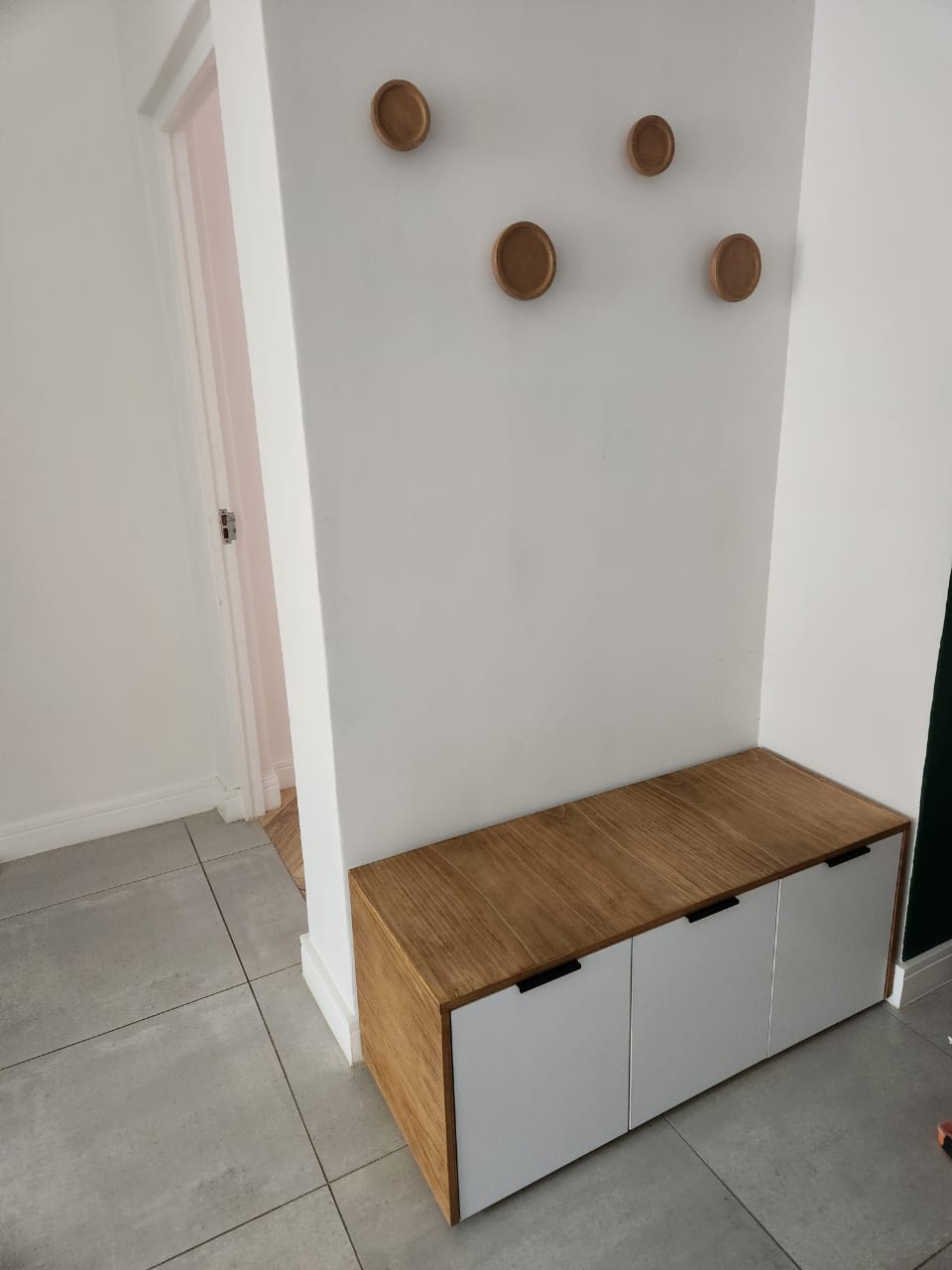
In recent Oakmont projects, built-in cupboards are designed with a focus on proportion, material contrast and clean detailing.
Timber finishes are often combined with matte surfaces and subtle lighting to create a refined and balanced aesthetic.
These installations are tailored to the specific layout of each space, ensuring that both functionality and design are considered in equal measure.
For homeowners exploring similar solutions, built-in cupboards in Johannesburg are increasingly being designed as custom installations that integrate seamlessly into the architecture of the home.
Final Thoughts
Modern built-in cupboard design is defined by its ability to balance functionality with a refined and cohesive aesthetic.
Through careful material selection, thoughtful layout and integrated storage, these installations become more than practical solutions — they become key elements within the overall design of the home.
As contemporary interiors continue to evolve, built-in cupboards will remain essential in shaping both the function and visual identity of modern living spaces.