
Why Wardrobe Design Deserves Consideration
Oakmont Kitchens & Interiors, Johannesburg
Wardrobe design in Johannesburg is often approached as a practical necessity rather than a design decision. Yet in well-considered homes, wardrobes play a quiet architectural role — shaping how bedrooms function, how space is perceived, and how daily routines unfold.
When treated with intention, wardrobe joinery supports the room without drawing attention to itself. It becomes part of the structure of the space, rather than an object added after the fact.
Design publications such as Dwellfrequently highlight how thoughtful storage contributes to a sense of calm within domestic interiors.
Understanding Wardrobe Design in Johannesburg Homes
Every home presents a different set of constraints. Ceiling heights, room proportions, window placement, and circulation all influence how a wardrobe should be shaped.
A considered wardrobe design in Johannesburg begins by observing the room as a whole — not just the wall it will occupy. This approach allows the joinery to respond naturally to the architecture rather than compete with it.
For homeowners seeking long-term clarity and usability, professionally designed wardrobes Johannesburg offer a level of resolution that off-the-shelf solutions rarely achieve.
Built-In vs Freestanding Wardrobes
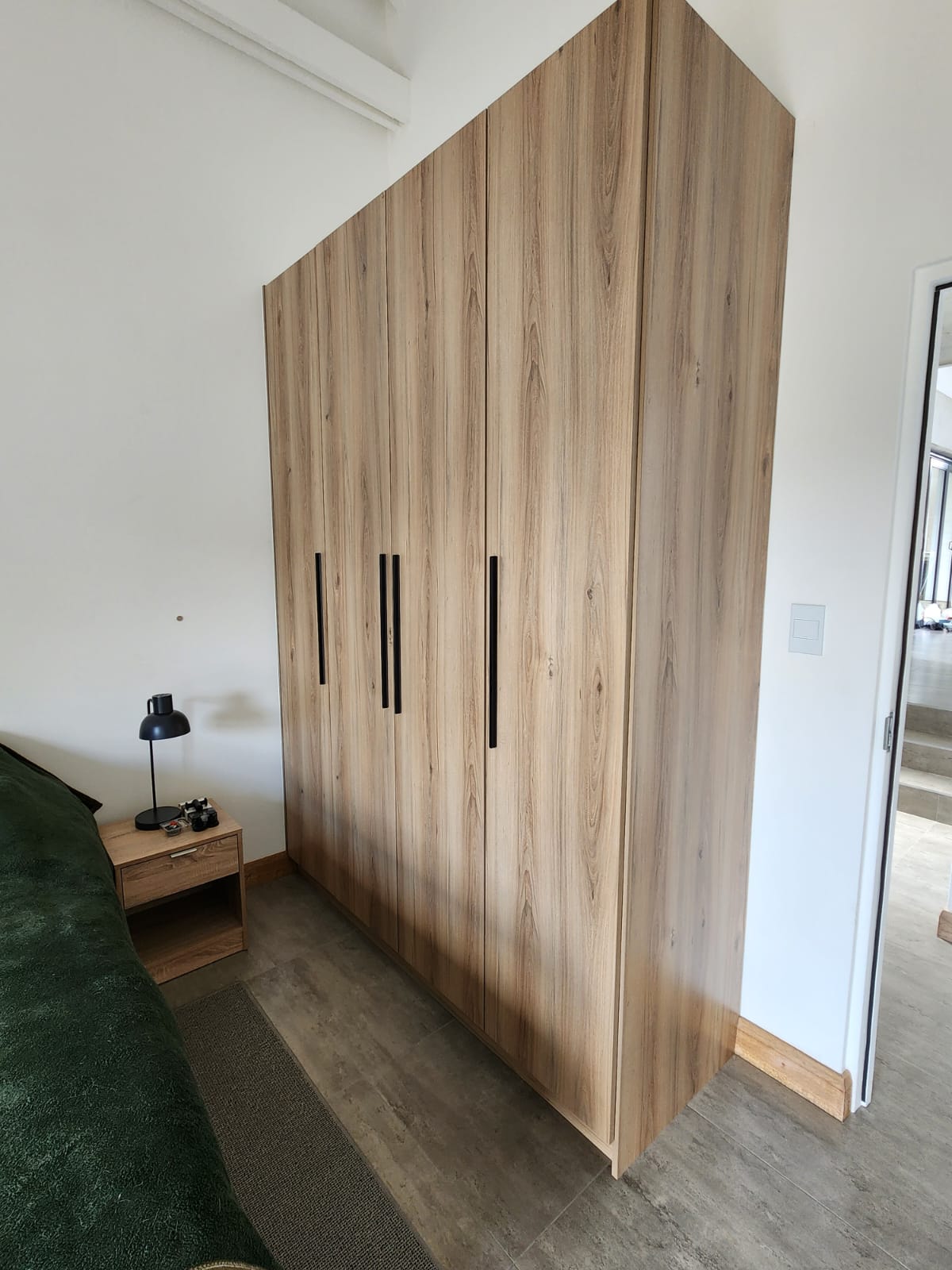
While freestanding wardrobes offer flexibility, they often introduce visual fragmentation. Built-in wardrobes, by contrast, allow storage to sit comfortably within the room’s proportions.
Design-led built-in wardrobes typically:
-
Align with ceiling heights
-
Reduce visual clutter
-
Allow finishes to integrate with walls
-
Create a sense of permanence
This principle aligns closely with built-in cupboards Johannesburg, where storage is treated as part of the architecture rather than furniture.
Material Restraint and Visual Calm
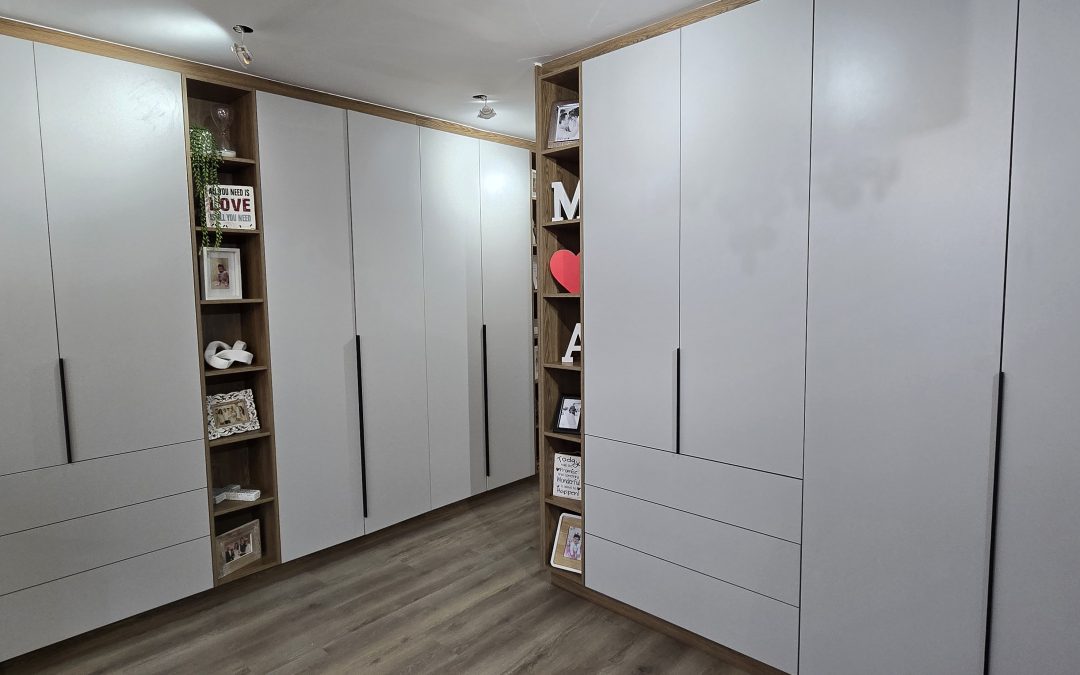
Material choice has a significant impact on how a wardrobe is perceived. Highly decorative finishes can dominate a bedroom, while restrained palettes allow the joinery to recede quietly into the background.
Design-led wardrobes often favour:
-
Soft matt finishes
-
Subtle wood-grain textures
-
Tonal colour palettes
-
Minimal contrast between doors and walls
This approach mirrors what is often seen in imported premium kitchens, where surface continuity and proportion are prioritised over ornamentation.
Internal Layouts That Support Daily Use
Behind closed doors, functionality matters. A well-designed wardrobe interior reflects how the space will be used, not generic storage assumptions.
Common internal configurations
-
Full-height hanging for coats and dresses
-
Double-hang sections for shirts and trousers
-
Deep drawers for folded clothing
-
Shallow drawers for accessories
-
Open shelving for bags and shoes
Modern hardware systems from manufacturers such as Blumand Grasssupport smooth operation and long-term durability, even under daily use.
Wardrobes and Walk-In Closets
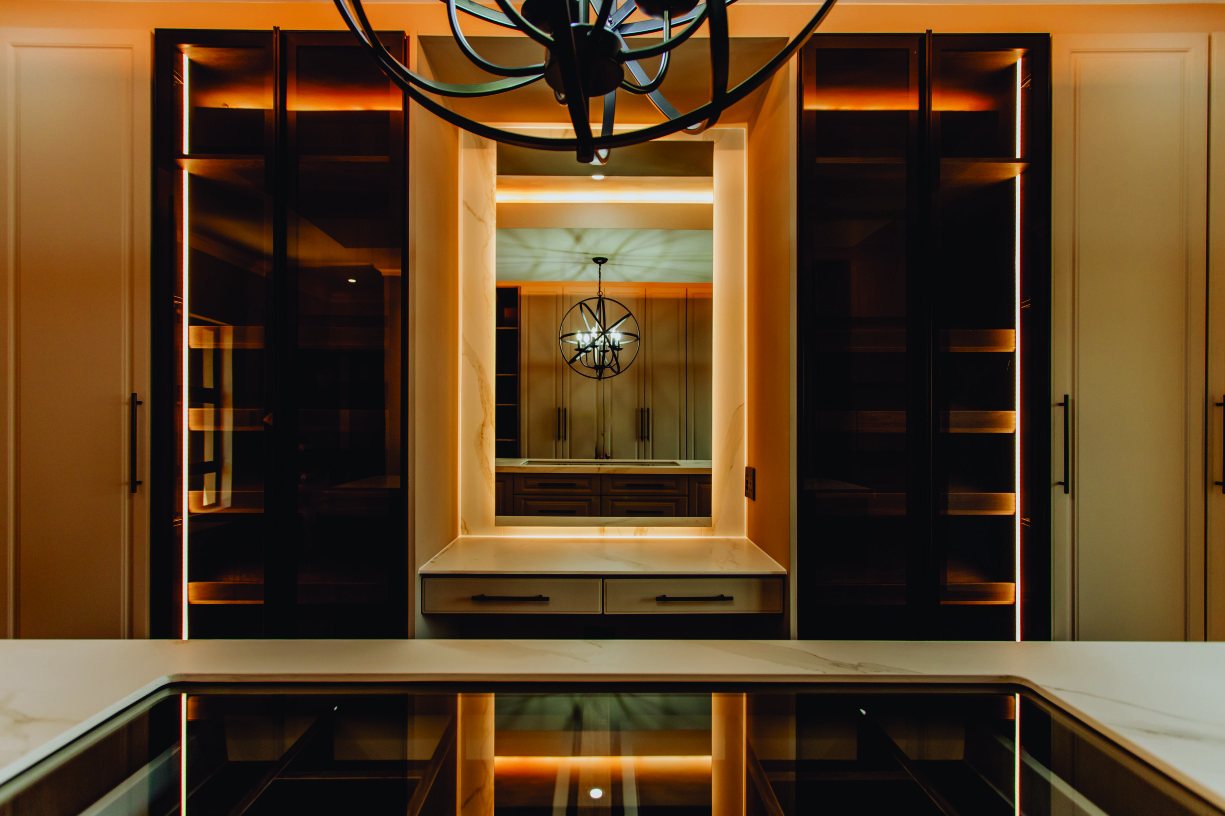
In larger bedrooms, wardrobes often transition into dedicated dressing spaces. The decision between a traditional wardrobe and a walk-in configuration depends on layout, privacy, and circulation.
Where space allows, walk-in closets Johannesburg offer greater flexibility while maintaining the same principles of proportion, material restraint, and clarity.
Wardrobe Design as Part of a Larger Joinery Language
In well-resolved interiors, wardrobes do not exist in isolation. Their finishes, proportions, and detailing often echo adjacent joinery throughout the home.
This continuity allows storage to feel intentional rather than imposed, reinforcing a sense of balance across bedrooms, bathrooms, and private living spaces.
Final Thought
A wardrobe should not draw attention to itself. When designed with care, it becomes part of the room’s quiet structure — supporting daily life without visual interruption.
Thoughtful wardrobe design in Johannesburg homes prioritises proportion, material understanding, and careful planning, allowing joinery to settle naturally into the space it serves.